Questions in this guide
Cystic acne requires targeted cleansing that can reduce oil, unclog pores, and calm irritation without over-drying. This guide highlights effective cleansers across benzoyl peroxide, salicylic acid, and combined formulas to support clearer skin. Each product below is chosen for active ingredients, skin sensitivity options, and evidence-backed benefits for adult and teen cystic acne.
| Product | Brand | Main Action | |
|---|---|---|---|
| PanOxyl Acne Foaming Wash Benzoyl Peroxide 10% | PanOxyl | Benzoyl peroxide antimicrobial cleansing | Severe or persistent acne with bacteria involvement |
| La Roche-Posay Effaclar Medicated Gel Cleanser | La Roche-Posay | 2% salicylic acid with LHA for exfoliation | Oily, acne-prone skin needing gentle exfoliation |
| CeraVe Acne Control Cleanser | CeraVe | 2% salicylic acid with purifying clay | Pore control and oil reduction |
| CeraVe Acne Foaming Cream Cleanser | CeraVe | 4% benzoyl peroxide with hyaluronic acid | Active breakouts with moisture retention |
| AcneFree Acne Free Oil-Free Cleanser | AcneFree | Benzoyl peroxide 2.5% with glycolic acid | Oil-prone skin seeking breakout prevention |
Introduction continues here to set expectations about using these products as part of a routine, including cautions for sensitivity and layering with treatment serums. This article provides objective information on ingredients, benefits, and suitability to help you choose a cleanser that aligns with your cystic acne needs.
PanOxyl Acne Foaming Wash Review
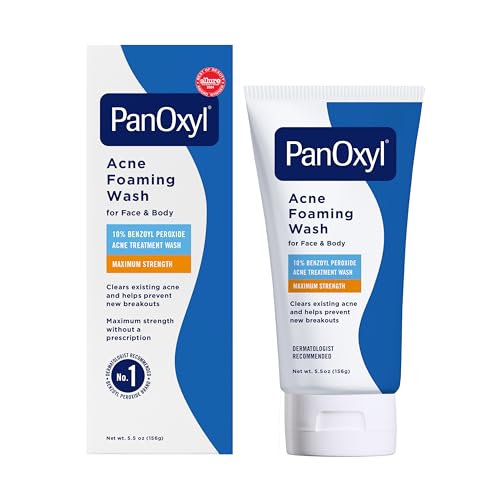
PanOxyl’s 10% benzoyl peroxide formulation stands out for maximum antimicrobial action against acne-causing bacteria. The foaming wash helps lift dirt and oil from pores, promoting a fresher, clearer complexion. Suitable for short-term use in those with persistent cystic breakouts, it may be more drying, so pairing with a non-stripping moisturizer is advised if used regularly.
La Roche-Posay Effaclar Medicated Gel Cleanser
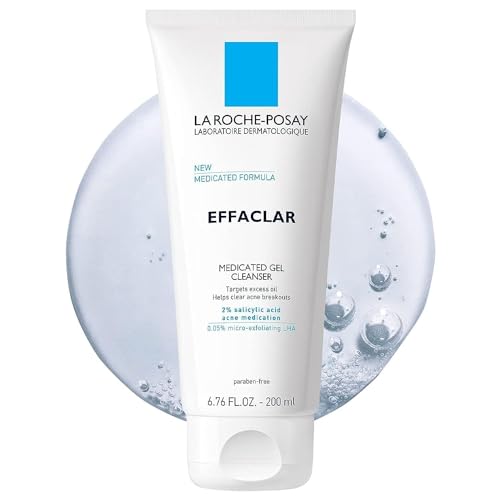
This cleanser combines 2% salicylic acid with LHA and glycerin to gently exfoliate while maintaining moisture. It’s designed to reduce oil and help clear and prevent acne breakouts without harsh scrubbing. Clinically noted to reduce surface oil, it’s well-suited for oily, acne-prone skin and those seeking a milder option than high-strength benzoyl peroxide.
CeraVe Acne Control Cleanser

This 2% salicylic acid cleanser blends purifying clay and niacinamide with ceramides to support the skin barrier while absorbing excess oil. It’s fragrance-free and non-comedogenic, designed to prevent new breakouts while minimizing the appearance of pores and blackheads. The formulation emphasizes moisture retention to avoid overly dry skin when treating acne.
CeraVe Acne Foaming Cream Cleanser

This cleanser uses 4% benzoyl peroxide in a creamy-to-foam texture, plus hyaluronic acid and ceramides to hydrate and support the skin barrier. It targets acne by delivering BPO to pores while maintaining moisture, which can help reduce irritation and dryness common with higher-strength BPO products. Suitable for daily use with a balanced moisturizer.
AcneFree Oil-Free Cleanser

This oil-free cleanser combines benzoyl peroxide with glycolic acid to target acne at the source, helping prevent future breakouts while delivering gentle exfoliation. The fragrance-free formula is designed to minimize irritation and is suitable for sensitive or reactive skin where fragrance can be an issue. It supports acne control without overwhelming the skin’s natural moisture balance.
Buying Guide: Key Purchase Considerations For Cystic Acne Cleanser
- Active ingredient and strength: Benzoyl peroxide provides powerful antimicrobial action, while salicylic acid helps exfoliate and unclog pores. For cystic acne, consider rotation or layering strategies to balance efficacy and irritation risk.
- Skin type compatibility: Oil-prone and sensitive skin require different formulations. Fragrance-free options and barrier-supporting ingredients (ceramides, niacinamide) can reduce irritation.
- Formulation type: Foaming vs gel vs cream affects cleansing sensation and moisture retention. Cream and gel cleansers with hydrating ingredients may be gentler for daily use.
- Oil control vs moisture balance: Choose products with oil-absorbing technology or purifying clays if oiliness is a primary concern, while ensuring the skin isn’t stripped of moisture.
- Combination use: For cystic acne, cleansers are often part of a broader regimen that may include topical retinoids, antibiotics, or azelaic acid. Consider compatibility and potential irritation when layering products.
- Usage pattern: Higher-strength benzoyl peroxide products can bleach fabrics and cause dryness. Use as directed and follow with a suitable moisturizer or barrier-repair product.
- dermatologist guidance: For persistent or severe cystic acne, consult a dermatologist to tailor a regimen and monitor response to active ingredients.
In applying these cleansers, users should monitor skin response and adjust frequency and combinations as needed. This guide provides options across strengths and formulations to support a targeted cleansing routine for cystic acne while promoting skin health.