Questions in this guide
Choosing an effective facial cleanser is a critical step in managing acne-prone skin. The right formula can help unclog pores, reduce excess oil, and calm irritation without over-drying. The following selections are popular, dermatologist-friendly options that pair active ingredients like salicylic acid and benzoyl peroxide with hydrating ceramides and niacinamide. Each product is linked toAmazon for reference and further details.
| Product | Brand | Key Benefit |
|---|---|---|
| CeraVe Acne Treatment Face Wash | CeraVe | Oil control with purifying clay and niacinamide |
| La Roche-Posay Effaclar Medicated Gel Cleanser | La Roche-Posay | 2% salicylic acid with LHA for gentle exfoliation |
| PanOxyl Acne Foaming Wash | PanOxyl | Maximum strength benzoyl peroxide for bacteria control |
| Neutrogena Oil-Free Acne Wash | Neutrogena | 2% salicylic acid with MicroClear technology |
| CeraVe Acne Control Cleanser | CeraVe | 2% salicylic acid with oil-absorbing clay and ceramides |
CeraVe Acne Treatment Face Wash

This cleanser combines salicylic acid with purifying clay to help remove dead skin cells and absorb excess oil. Niacinamide supports more even skin tone and helps calm irritation, while ceramides help restore the skin’s barrier. The formula is fragrance-free and non-comedogenic, designed to minimize dryness while controlling acne formation.
La Roche-Posay Effaclar Medicated Gel Cleanser
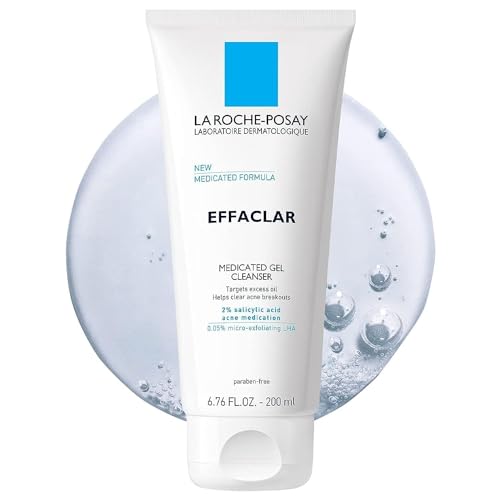
This foaming gel uses 2% salicylic acid and LHA to clear impurities without harsh scrub particles. It helps reduce acne breakouts and excess oil, with a focus on leaving skin less shiny throughout the day. The formula is oil-free and clinically noted to minimize surface oil, making it suitable for oily, acne-prone skin types.
PanOxyl Acne Foaming Wash
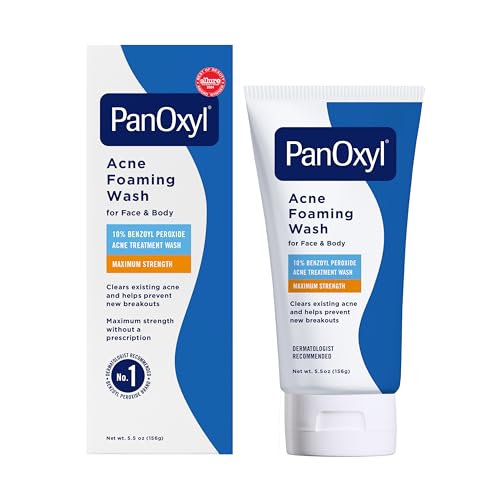
PanOxyl offers a maximum-strength benzoyl peroxide option at 10% to target acne-causing bacteria and clear dirt from pores. The foaming action helps lift oil and grime while delivering antimicrobial benefits. This formulation is intended for more persistent breakouts and may be best used under guidance for sensitive skin types.
Neutrogena Oil-Free Acne Face Wash
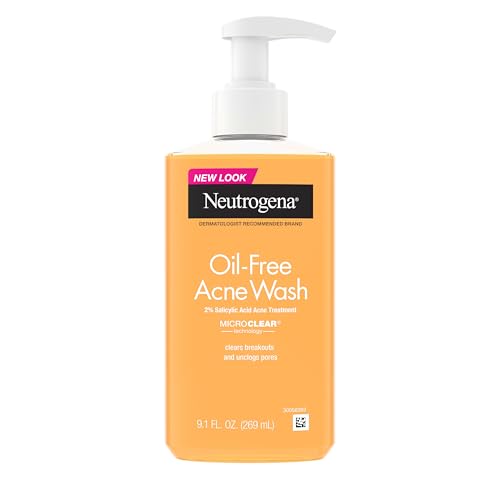
This cleanser uses 2% salicylic acid to penetrate pores and reduce breakouts, supported by MicroClear technology that helps deliver active ingredients more effectively. The oil-free formula aims to prevent over-drying and is designed for daily use in acne-prone routines. It targets breakouts, blemishes, and blackheads while rinsing clean.
CeraVe Acne Control Cleanser

This 2% salicylic acid cleanser uses oil-absorbing clay and niacinamide to reduce pores and support a calm, hydrated complexion. The foaming action helps lift oil and dirt without leaving skin stripped, while ceramides help restore the skin barrier. Fragrance-free and non-comedogenic, it suits acne-prone skin well.
Buying Guide: Key Purchase Considerations
- Active ingredient choice: Salicylic acid (AHA/BHA) exfoliates inside pores to prevent clogs, while benzoyl peroxide provides antimicrobial action. Your tolerance for active ingredients and skin type guides selection.
- Formulation and texture: Gel, foaming, and cream cleansers deliver different experiences. If you have dry or sensitive skin, look for hydrating ingredients like ceramides and niacinamide to prevent over-drying.
- Oil control vs. moisture balance: Oil-absorbing clays help with shine but can be drying. Choose formulas that include barrier-supporting ingredients to maintain moisture balance.
- Non-irritating and fragrance-free options: Fragrance-free formulations reduce irritation risk, which is important for sensitive or reactive skin.
- Potency and usage frequency: Higher concentrations (e.g., 10% benzoyl peroxide) may be effective for stubborn breakouts but can be more drying. Start with lower concentrations if you are new to these actives.
- Complementary skincare: Pair cleansers with non-comedogenic moisturizers and sun protection. Niacinamide and ceramides support barrier health, while salicylic acid or benzoyl peroxide should be used according to your routine needs.
- Dermatologist guidance: If acne is severe, persistent, or painful, consult a dermatologist for a personalized regimen and potential prescription options.
- Allergen considerations: If you have sensitive skin or allergies, verify fragrance and preservative content to minimize irritation risk.