Questions in this guide
Liquid latex is a core tool for Halloween makeup, theater, and film SFX, enabling realistic wounds, scars, peeling skin, and other 3D textures. This guide highlights reliable options from well-known brands, focusing on skin-safe formulas, dry times, and texture versatility. Below you’ll find a quick product overview, followed by detailed sections on five top picks and a practical buying guide for beginners and professionals alike.
Summary of Chosen Products
| Product | Brand | Volume | Key Benefit |
|---|---|---|---|
| Mehron Makeup Liquid Latex (Clear Flesh) | Mehron | 1 fl oz / 30 ml | Professional-grade adhesive for prosthetics and textures |
| Mehron Makeup Liquid Latex (Light Flesh) | Mehron | 1 fl oz / 30 ml | Ve color-matched skin tone with same professional quality |
| KANGAROO Professional Liquid Latex (14 oz) | Kangaroo | 14 oz | Bulk size for multiple applications; quick-dry and flexible |
| Kreyfer 2.2 fl oz Liquid Latex | Kreyfer | 2.2 oz | Easy-to-pour, clear adhesive for realistic scars and wounds |
| BOBISUKA Halloween Liquid Latex (2 fl oz) | BOBISUKA | 2 fl oz | Fast-drying, flexible finish for zombie/cosplay looks |
Mehron Liquid Latex – Clear Flesh

Mehron’s Liquid Latex is a professional, vegan formula designed for skin-safe adhesion and textured effects. It can attach prosthetic appliances, seal wax, or create aged, peeling, or decayed textures. The product is trusted by Hollywood and Broadway professionals since 1927. For 3D effects, mix with cotton or tissue; it also serves as a reliable glue for prosthetics. Application involves layering thin coats with powder between layers to build depth. Finishing touches can be added with color makeup and stage blood. Patch testing is recommended prior to full use.
Key application notes: Layer thin coats to build scar or wrinkle depth. When constructing a zombie or decayed look, alternate layers with cotton or tissue for texture. After drying, color the wound with compatible paints and add blood for realism. Compatible with Mehron’s color systems for a cohesive finish.
Mehron Light Flesh Liquid Latex

This Mehron variant shares the same professional, vegan formulation as the Clear Flesh option, designed for skin-safe adhesion and 3D effects. It’s suitable for attaching appliances or sealing wax and can be used to craft textured surfaces like aged skin or peeling textures. The application method mirrors the Clear Flesh version: build in thin layers, powder between coats, and color to finish. Patch testing is advised. It remains a reliable choice for actors and makeup artists seeking consistent performance across skin tones.
Usage guidance: For a 3D effect, blend latex with cotton or tissue before applying. Use as a prosthetic adhesive for securing small appliances and for 3D damage effects. Color correction and shading with professional-grade makeup will enhance realism.
KANGAROO Professional Liquid Latex – 14 oz

KANGAROO offers a bulk 14-ounce bottle of professional liquid latex designed for quick-drying, flexible, skin-safe SFX. The large volume makes it ideal for frequent or ongoing projects, including workload-heavy environments like theaters and film productions. The latex stretches naturally with the skin, aiding in long wear without cracking. It’s formulated for adults and is cruelty-free, making it suitable for a range of skin tones and textures. The product supports rapid build-ups for layered scar and wound effects, blending with other prosthetic materials to maintain a seamless look.
Application tips: Apply in thin layers, letting each coat dry before adding the next. Combine with cotton or tissue for 3D scars, and color with compatible makeup to integrate into the overall look. Suitable for haunted houses, conventions, and stage performances where durability matters.
Kreyfer 2.2 Oz Liquid Latex

Kreyfer’s 2.2-ounce bottle emphasizes convenient pouring and clear adhesion for realistic scars and wounds. The formula blends well with cotton or tissue for three-dimensional effects, supporting layering to create depth without stiff, visible seams. The product is designed for safe skin use and is suitable for both beginners and experienced makeup artists who want to craft convincing SFX, including peeling skin, burns, and wounds. Quick-drying properties help keep schedules on track during shoots or events.
Practical considerations: Volume is compact, making it ideal for travel or small project kits. Use with water-based pigments to color edges for a natural transition into skin tone. Layer and powder between coats to reduce shine and improve texture realism.
BOBISUKA Halloween Liquid Latex – 2 oz
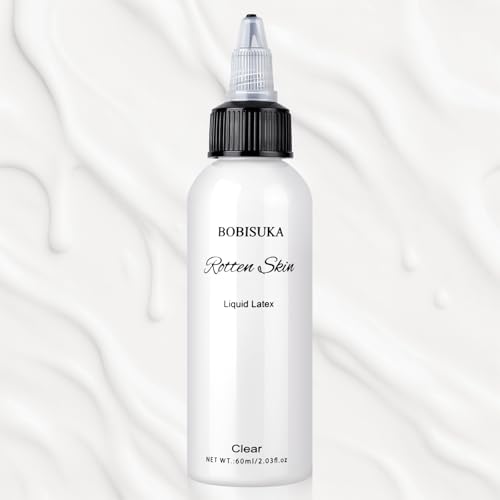
BOBISUKA’s 2-ounce bottle targets essential Halloween and cosplay needs, offering a quick-dry, flexible finish that’s well-suited for zombie skin, wounds, and other disturbing textures. The SFX latex is designed to blend with face paints and other makeup, helping to create cohesive looks. It pairs well with fake blood, scar wax, and prosthetic edges to achieve a polished, cinematic result. The product emphasizes ease of use, making it accessible for hobbyists and aspiring professionals alike.
Usage guidance: Brush or sponge on a thin layer, wait for it to dry, and repeat to build depth. Finish by painting over latex with cream or water-based makeup for a seamless blend into skin.
Buying Guide: Key Considerations For Choosing Liquid Latex For Skin
When selecting liquid latex for skin, consider the following factors to ensure safety, usability, and reliability across projects:
- Skin safety: Look for vegan or hypoallergenic formulations and check for pet or fragrance-free options if sensitive skin is a concern.
- Volume and coverage: Bulk bottles like 14 oz are cost-effective for frequent users, while smaller bottles are suitable for beginners or travel kits.
- Dry time and elasticity: Fast-drying latex reduces setup time, but you want enough tack to enable layering. Flexibility matters for facial movements and long wear.
- Texture and color matching: Clear or flesh-tone options help create seamless transitions with skin. Some variants are pre-tinted to match common skin tones.
- Usage compatibility: Consider whether you’ll use with cotton, tissue, prosthetics, or adhesives for appliances. Compatibility with stage makeup and paints is important for finishing touches.
- Odor and ventilation: Many liquid latex products have a noticeable odor due to ammonia; ensure proper ventilation and consider odor-reduced formulas if possible.
- Removal: Check the ease of removal with warm water and soap, especially for frequent performers who need quick changes.
- Safety testing: Patch tests are recommended to avoid skin reactions, particularly when applying prosthetics or large surface areas.
Texture layering strategy: Build up layers gradually, drying between coats. For 3D wounds or scars, apply latex, then place cotton or tissue, followed by another latex layer. Finally, color and shade the area to integrate with natural skin tones. Pair latex with prosthetic appliances for long-lasting effects in stage or film settings.