Questions in this guide
Finding the right headwear during cancer treatment can improve comfort and confidence. This guide highlights wigs and wig accessories designed for sensitivity, secure fit, and natural appearance. From glueless headband wigs to lightweight caps and secure wig grips, these picks emphasize breathability, ease of use, and suitability for daily wear. All selections come with practical features to help maintain comfort during long wear periods and provide options for different preferences and needs.
| Product | Type | Key Benefit |
|---|---|---|
| SAPPHIREWIGS Glueless Headband Wig | Headband wig | Realistic hairline; easy secure with Velcro; 26″ length |
| Dreamlover Wig Grip Bands | Wig grip headband | Keeps wigs in place without glue; breathable and adjustable |
| Snug Cancer Headwrap Chemo Headwear | Chemo headwrap | Full head coverage; soft viscose; comfortable for sensitive scalps |
| Lenaqueen Bamboo Wig Cap | Wig cap | Adjustable, breathable bamboo material; supportive for wig placement |
| JarseHera Slouchy Beanie Chemo Cap | Chemo cap/beanie | Multi-use; lightweight and comfortable; open-top for ponytails |
SAPPHIREWIGS Glueless Headband Wig

The SAPPHIREWIGS headband wig offers a glueless, Velcro-secured design that helps users achieve a natural hairline without adhesives. The 26-inch length provides versatile styling options, including ponytails or buns, suitable for daily wear. The wig is synthetic with a 150% density, presenting a fuller look while remaining light in weight. Adjustable front and back straps, plus two sewn-in combs, support a secure fit for sensitive scalps. This option is designed to be comfortable for extended wear and suitable for Black women seeking a realistic texture and style.
Dreamlover Wig Grip Bands

The Dreamlover wig grip bands are crafted from soft, breathable velour fabric, making them comfortable in warm weather. The adjustable hook-and-loop fastener lets wearers customize the fit along the hairline, providing a secure, comfortable hold for a variety of head sizes without glue. A top-row of precise stitches and stylish, rhombus-pattern lines contribute to durability and a neat appearance, helping to keep wigs in place across daily activities.
Snug Cancer Headwrap Chemo Headwear

This headwrap uses natural viscose fabric for a lightweight, soft, and breathable experience. It provides full head coverage, making it suitable for women experiencing hair loss due to chemotherapy or alopecia. The wrap design offers multiple tie options for fullness and can be worn with halos or over wigs. The headwrap serves as a comfortable alternative or complement to traditional wigs, helping protect the scalp while maintaining style and confidence.
Lenaqueen Bamboo Wig Cap

The Lenaqueen bamboo wig cap emphasizes breathability and comfort, featuring a Bamboo Grip design with an adjustable elastic band and multiple positions to fit various head sizes. Bamboo fiber materials are gentle on sensitive scalps and friendly to chemotherapy patients. This cap helps secure wigs in place while allowing airflow to reduce irritation and heat buildup during wear.
JarseHera Slouchy Beanie Chemo Cap
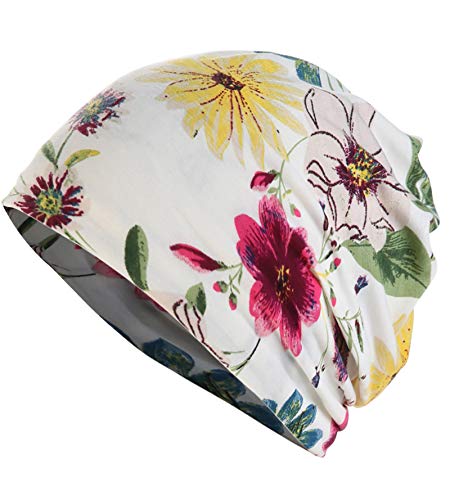
The JarseHera slouchy beanie offers a lightweight, moisture-wicking design suitable for daily wear and various activities. Its open-top style accommodates ponytails while providing warmth and comfort. The elastic construction ensures a snug fit across head sizes, making it a practical option for those undergoing cancer treatment or experiencing hair loss who seek versatility and ease of use in a single cap.
Buying Guide: Key Purchase Considerations
Choosing the right wig or headwear for cancer treatment involves balancing comfort, fit, appearance, and practicality. The following considerations cover different perspectives to help shoppers pick confidently:
- Head coverage and scalp sensitivity: If the scalp is highly sensitive, choose soft fabrics like viscose or bamboo with breathable weaves. Full-coverage options can reduce sun exposure and irritation.
- Cap design and installation: Glueless headbands and grip bands offer easy wear and removal without adhesives. Adjustable straps and multiple sizing options improve fit for varying head shapes and hair loss patterns.
- Material and maintenance: Synthetic fibers are low-maintenance and heat-resistant for styling, but may feel different from natural hair. Breathable fabrics and machine-washable caps simplify daily care, especially during treatment.
- Fit stability and security: For active days, secure fits—such as Velcro headbands or gripping bands—help prevent slippage. Ensure the design works with other accessories like hats or scarves.
- Appearance and natural look: Hairline realism, density, and styling versatility influence confidence. Some options provide a hand-tied hairline or layered textures for a more natural look when transitioning between wigs and caps.
- Comfort over long wear: Lightweight constructions, adequate padding around the edges, and moisture-wicking fabrics reduce irritation and heat buildup during extended use.
- Care and longevity: Look for durable stitching, fade resistance, and clear care instructions. Proper washing and storage extend the life of wigs and caps.
- Cost and value: Consider total cost of ownership, including replacement cycles and the need for multiple pieces for daily rotation, rather than a single item that may not meet all days’ needs.
- Wig type compatibility: Decide between a wig-based option (for a fuller, more traditional wig look) versus a cap or headwrap for comfort and scalp coverage.
- Versatility: Some products are designed for multiple styling options (ponies, buns, or open-top wear), which can maximize daily versatility.
- Care routine: If you prefer quick maintenance, synthetic fibers with simple washing protocols may be preferable over high-maintenance natural fibers.
These considerations help tailor selections to comfort, daily routines, and personal preferences while addressing medical needs and scalp sensitivity. The featured products emphasize secure fit, breathable materials, and simple wear, addressing common concerns for cancer patients during treatment and recovery.